My shopping cart
Your cart is currently empty.
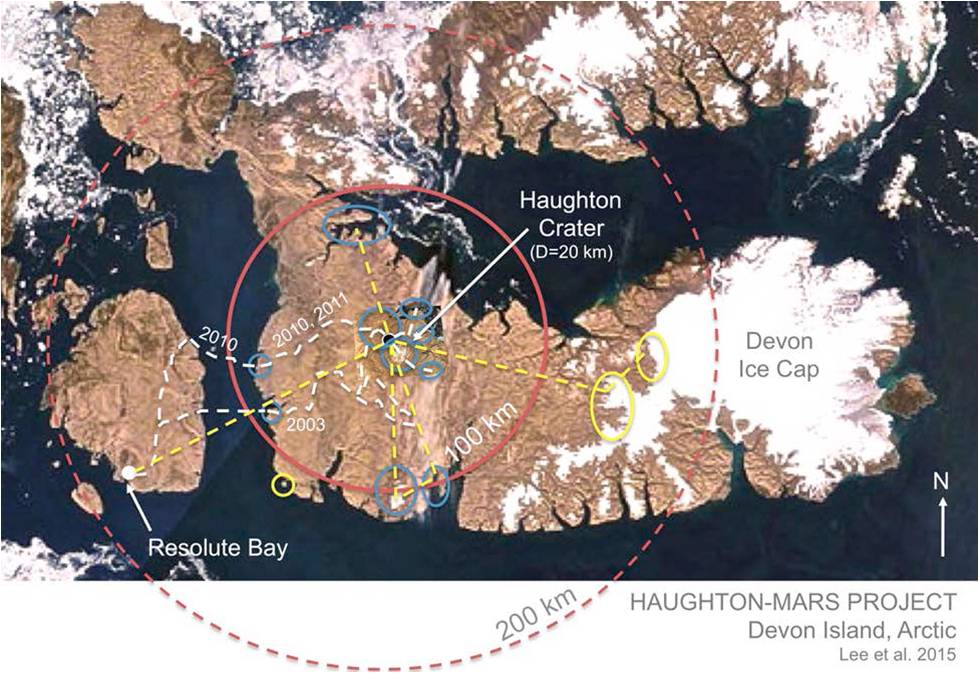
Continue ShoppingDevon Island, Canada — the largest uninhabited island on Earth.
A freezing Arctic desert, carved by ancient impacts, dust storms, permafrost, and barren terrain.
It’s the closest thing our planet has to the surface of Mars.
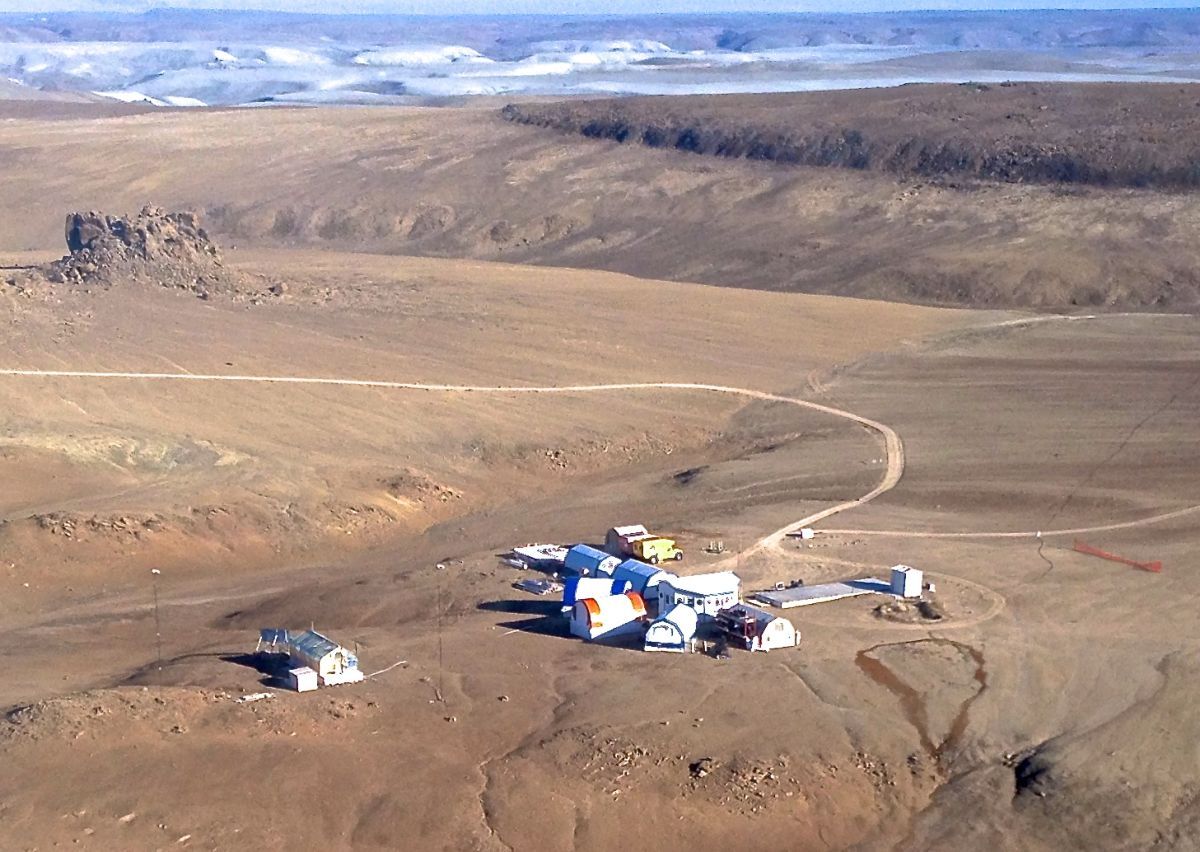
NASA and the SETI Institute run the Haughton-Mars Project (HMP) here, centered around the Haughton Impact Crater, a 23-km wide scar formed 39 million years ago.
The environment is so Mars-like that astronauts, engineers, and scientists use it as a full-scale analog for future missions to the Red Planet.
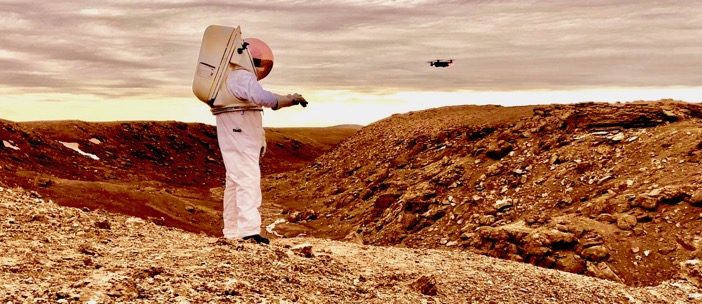
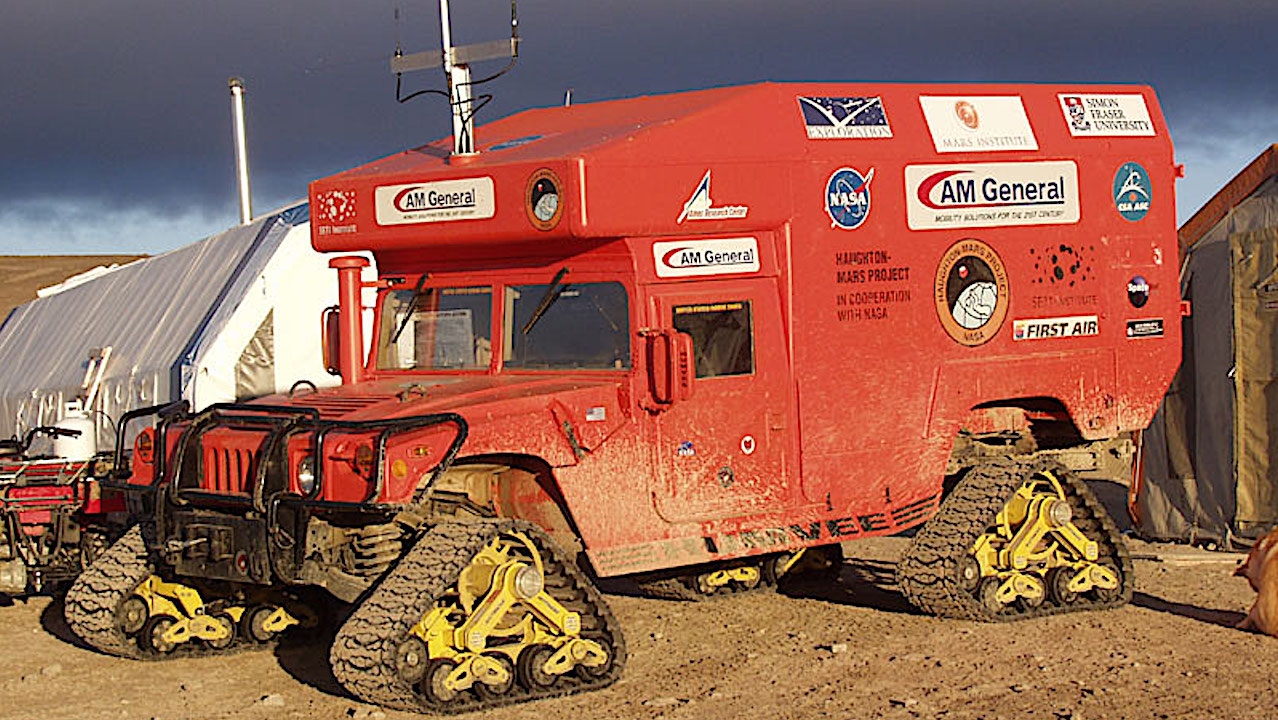
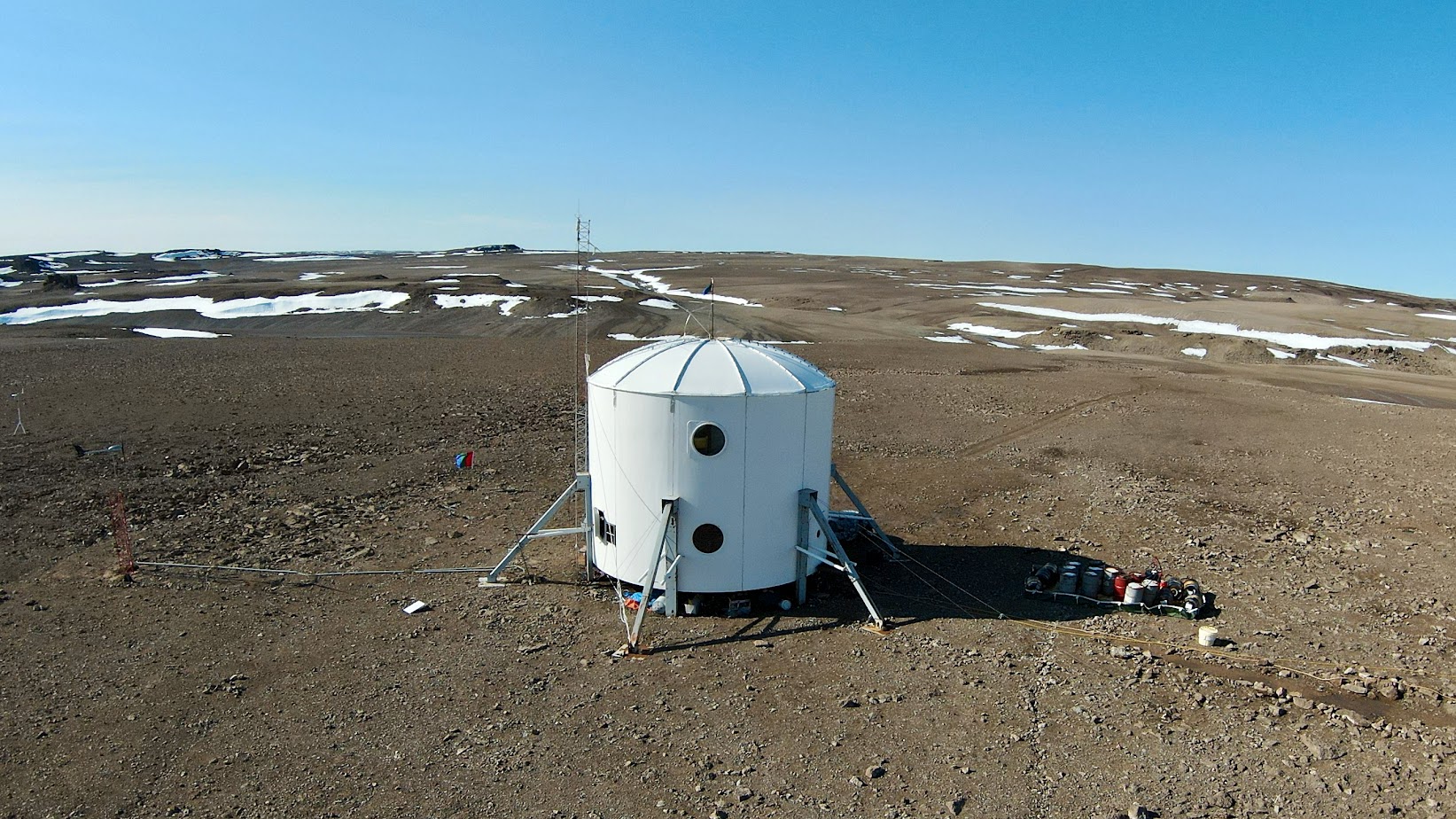
Before robotic explorers head to Mars, prototypes roll across Devon Island’s rocky plains.
The terrain tests:
autonomy
mobility over sharp basalt
remote operations
instrument durability
It’s where rover ideas succeed — or fail.
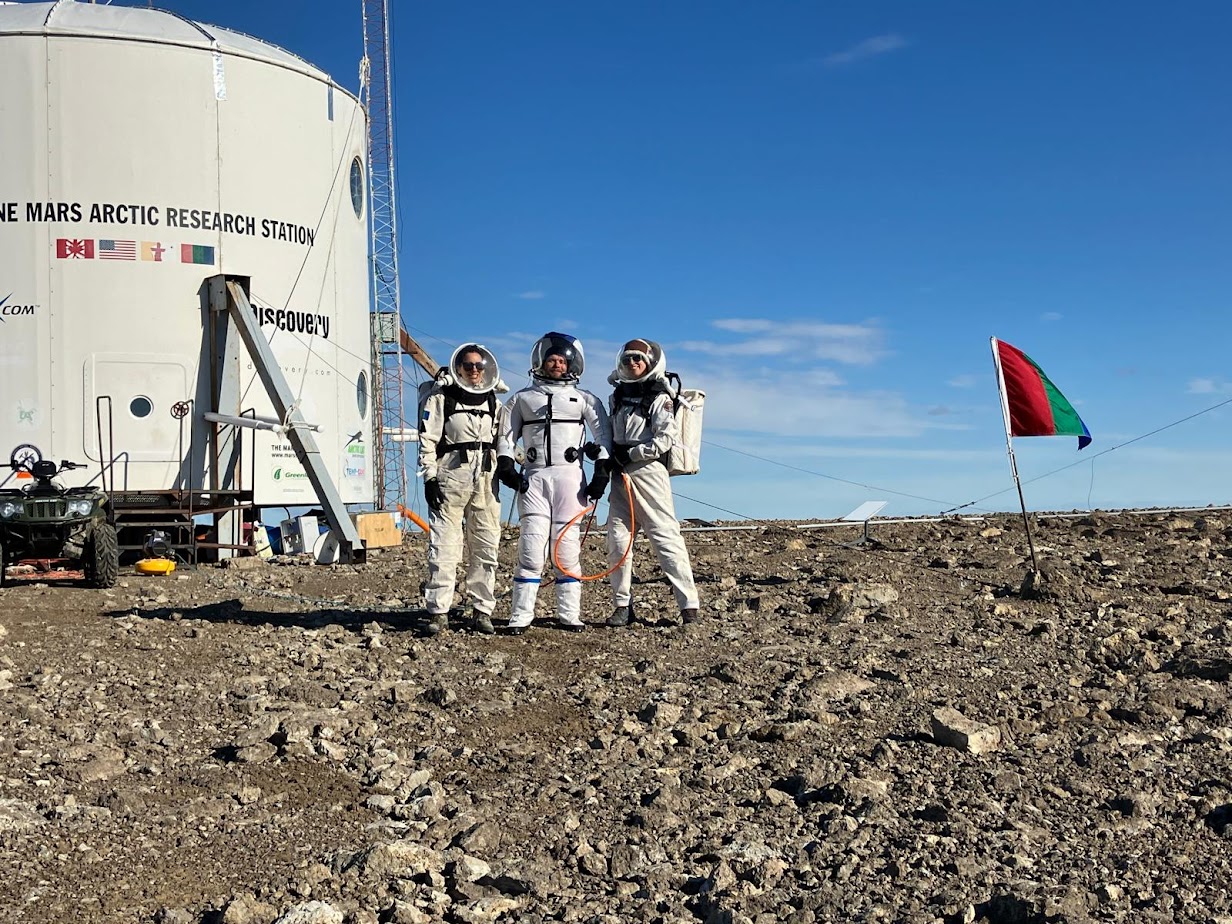

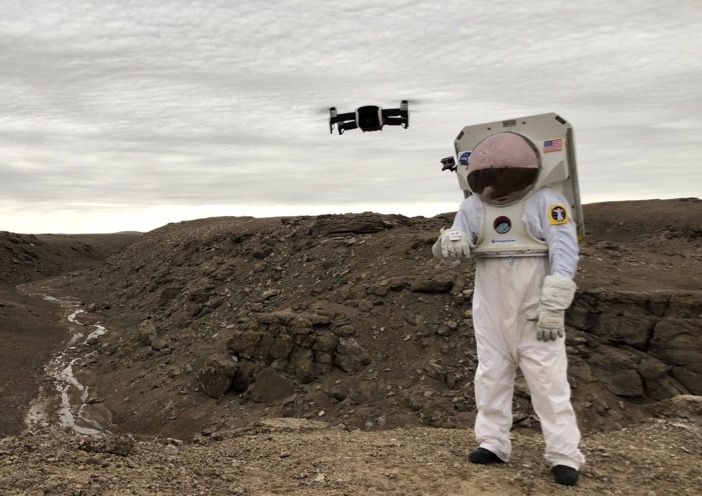
Crews live and work like they would on Mars:
EVA practice in pressurized suits
navigation without roads
isolated living
emergency protocols
long-distance drone scouting
The island forces teams to develop real strategies for survival and field science on another world.
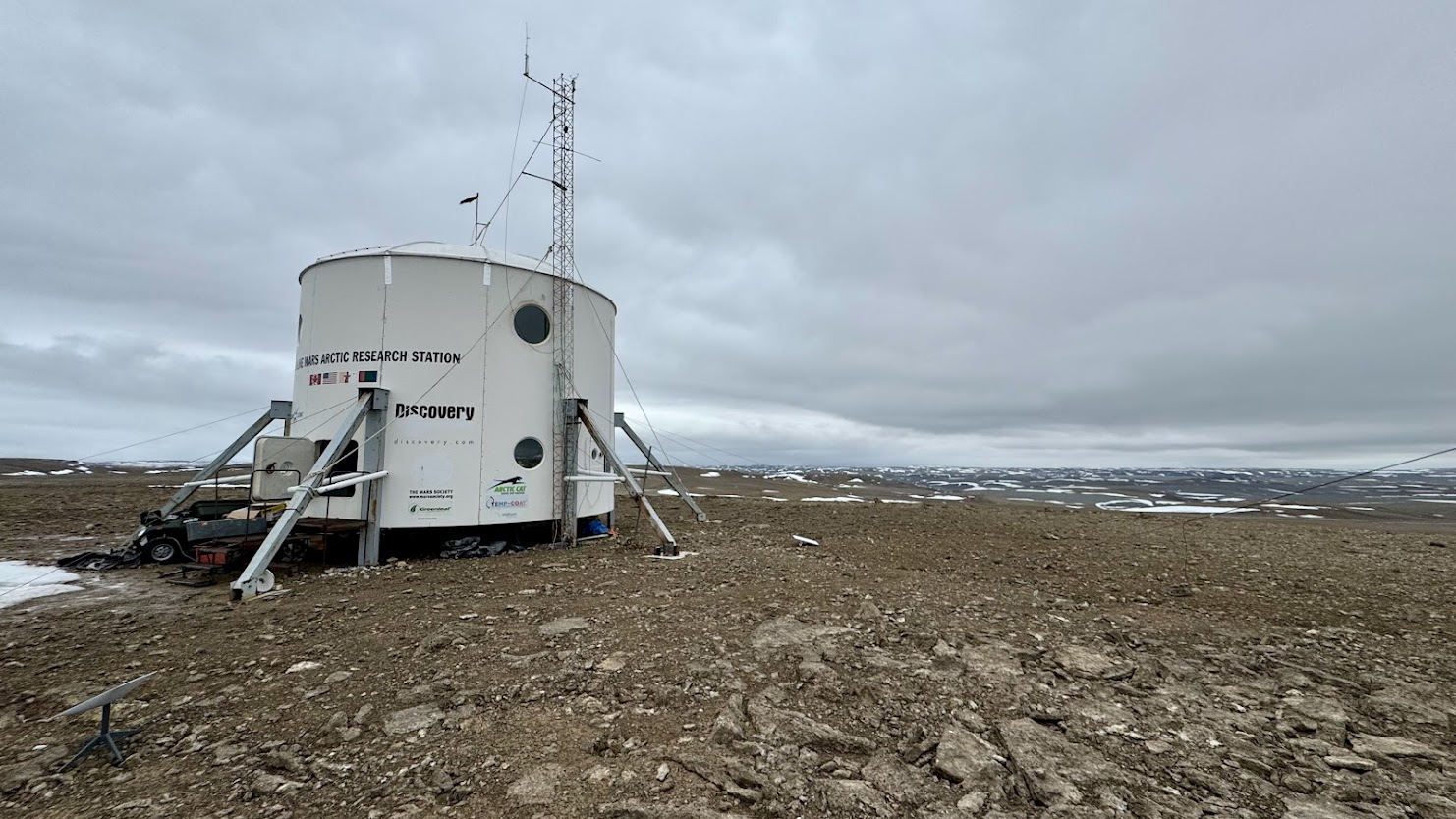
Scientists analyze permafrost, ancient impact structures, and microbial life that survives extreme cold and dryness.
These studies help answer questions like:
If Mars once hosted life, where would it hide — and what might it look like today?

Prototype habitats, power systems, communications, and even construction methods are tested on Devon before anyone tries them on Mars.

Training here prepares NASA for the reality that Mars is not just dangerous — it’s unpredictable.
Devon Island lets teams confront problems on Earth before facing them 200 million kilometers away.
And in many ways, the people who work here say the same thing:
“This is the closest you can get to Mars without leaving Earth.”


