
ISS CREW 11 MEDICAL EVACUATION
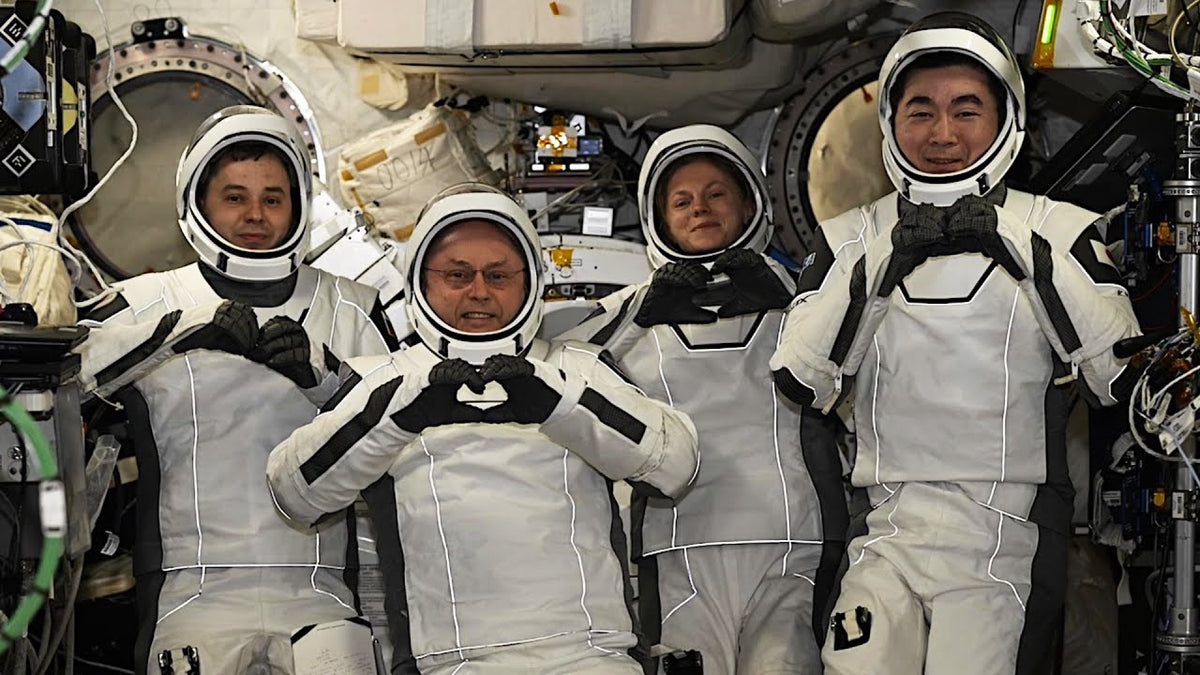
First emergency return from the International Space Station
By SpaceEve Newsroom
Published: January 2026

Image credit: NASA / SpaceX
Astronauts from International Space Station Crew-11 are undocking from the orbital outpost in what NASA has confirmed as the first medical evacuation in the station’s history. The crew is returning to Earth aboard a SpaceX Dragon spacecraft following a medical issue that required an early departure.
Live coverage and confirmation:
https://www.space.com/space-exploration/international-space-station/watch-crew-11-astronauts-undock-in-1st-ever-medical-evacuation-from-the-international-space-station-today
What happened
NASA and SpaceX confirmed that one astronaut experienced a medical condition that could not be managed onboard the station. While the condition has not been publicly detailed for privacy reasons, officials stated it was not life-threatening but required prompt return to Earth for further evaluation.
The undocking was performed under standard procedures, with mission controllers clearing the spacecraft for a safe departure.
Why this is historic
This marks the first time since the ISS became operational in 2000 that astronauts have conducted a medical evacuation from orbit. Until now, all crew returns were planned rotations or schedule adjustments, not emergency departures.
NASA officials emphasized that emergency return capability has always been part of station design, but this is the first time it has been required.
How the evacuation works

Image credit: NASA / SpaceX
The Crew Dragon spacecraft docked to the ISS serves as a continuous lifeboat. In the event of a medical or safety emergency, astronauts can:
-
Power up the spacecraft within hours
-
Undock autonomously
-
Perform a controlled deorbit
-
Splash down off the U.S. coast
Recovery teams are positioned to provide immediate medical support after landing.
Crew-11 mission context
Crew-11 launched to the ISS as part of NASA’s Commercial Crew Program, continuing routine science operations, station maintenance, and technology demonstrations. The remaining astronauts aboard the station will continue operations with adjusted crew planning.
NASA stated that station safety and ongoing research remain unaffected.
Why this matters
The event demonstrates that long-duration human presence in orbit includes real medical risk management, and that contingency systems designed decades ago are functioning as intended.
As space agencies plan longer missions — including lunar orbit and deep-space travel — medical evacuation capability will remain a critical requirement.
Sources
-
Space.com — Crew-11 medical evacuation coverage
https://www.space.com/space-exploration/international-space-station/watch-crew-11-astronauts-undock-in-1st-ever-medical-evacuation-from-the-international-space-station-today -
NASA — Commercial Crew Program
-
SpaceX — Crew Dragon overview
Join the conversation