
Historic Geomagnetic Storm Dazzles

NASA confirms strongest geomagnetic storm since 2003
By SpaceEve Newsroom
Published: January 20, 2026
NASA and U.S. space weather agencies say a powerful solar eruption has triggered the strongest geomagnetic storm conditions reported since 2003, expanding auroras and increasing short-term risk for satellites, navigation signals, and high-latitude communications.


Image credit: NASA / NOAA
NASA and U.S. space weather agencies say Earth is currently experiencing one of the most powerful geomagnetic disturbances recorded in more than two decades.
The event was triggered by an unusually intense solar eruption that launched a fast-moving coronal mass ejection toward Earth. When the solar material arrived, it strongly disturbed the planet’s magnetic field, producing severe geomagnetic conditions.
Officials say parts of the ongoing storm rival those observed during the historic 2003 Halloween solar storms, a benchmark year for extreme space weather.
From solar eruption to geomagnetic storm


Image credit: ESA / NOAA
The disturbance began with a powerful solar flare followed by a dense cloud of charged plasma. This combination accelerated particles toward Earth at exceptional speed.
As the material interacted with Earth’s magnetic field, it compressed the magnetosphere and injected large amounts of energy into near-Earth space. According to the NOAA Space Weather Prediction Center, storms of this intensity are rare in the modern satellite era.
What this means for Earth


Image credit: NASA / NOAA / public sources
The most visible effect is the expansion of auroras. Under strong geomagnetic conditions, the auroral oval grows, allowing northern and southern lights to appear far beyond their usual polar regions.
Less visible effects may include brief radio communication disruptions, temporary GPS accuracy issues, and unusual satellite behavior. Power grid operators and satellite controllers remain on alert, though no widespread outages have been reported.
Why 2003 matters


Image credit: NASA / NOAA / public sources
The year 2003 is often used as a reference because the so-called Halloween storms produced some of the strongest space weather impacts ever recorded during the satellite age. Those events caused widespread auroras, satellite anomalies, and power grid disturbances.
Agencies say the current storm matches or exceeds parts of those 2003 events, placing it among the strongest geomagnetic disturbances in over twenty years.
What happens next
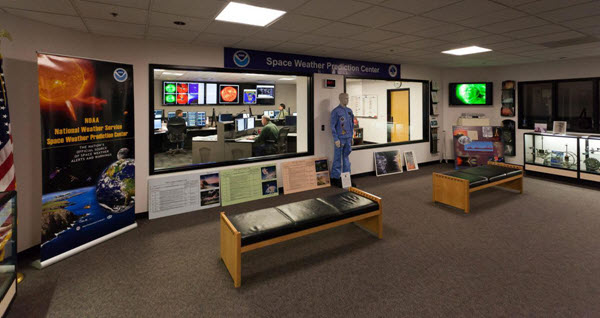

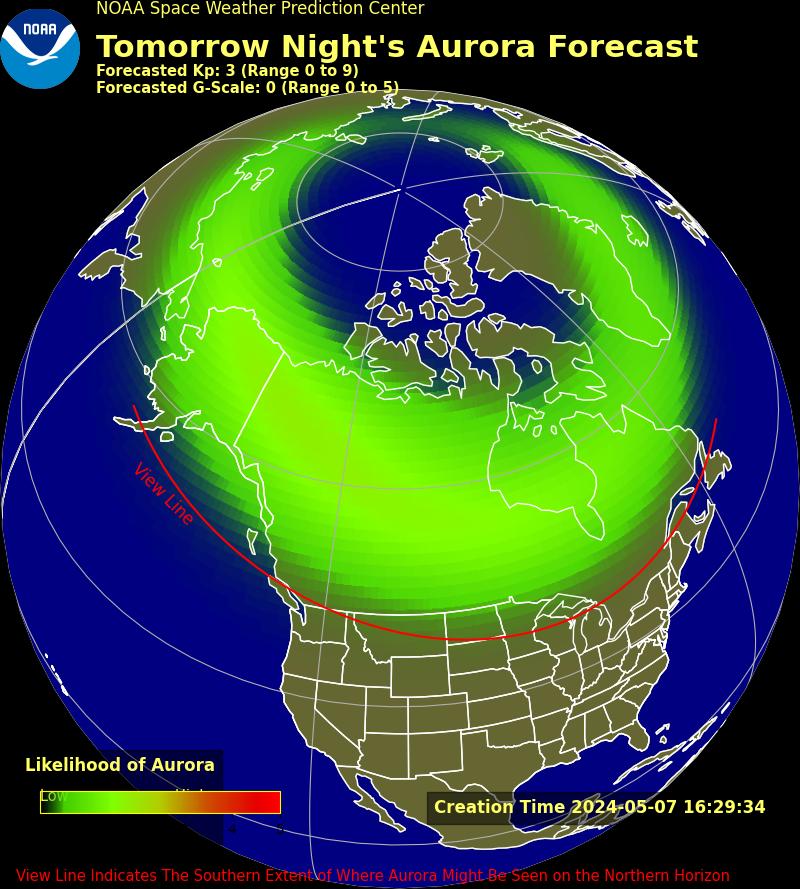
Image credit: NOAA / NASA
Space weather forecasters will continue monitoring conditions as the storm evolves. Geomagnetic activity can change rapidly depending on how the solar magnetic field aligns with Earth’s own field.
Further updates are expected as agencies assess whether activity intensifies or gradually subsides over the coming hours.
Sources
• NASA — Space weather briefings and solar monitoring
• NOAA Space Weather Prediction Center — Geomagnetic storm alerts
• SpaceWeather.gov — Event summaries and forecasts
Join the conversation