My shopping cart
Your cart is currently empty.
Continue Shopping

It also created technologies that now power hospitals, emergency response, communication systems, materials science, and even the devices you use every day.
NASA calls them spinoffs — innovations born for space, repurposed for Earth.
Miniaturized electronics developed for Apollo spacecraft led to the first wearable insulin pumps.
Temperature sensors designed for lunar missions evolved into modern medical thermometers.
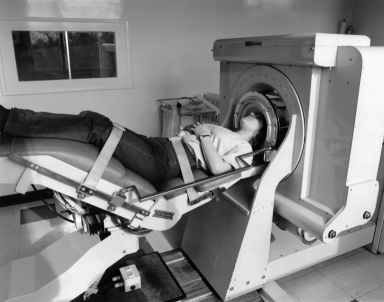
Apollo’s digital signal processing techniques became foundational for CT scan imaging — now used worldwide to diagnose disease.


Apollo suit materials led to lightweight heat-resistant uniforms for firefighters.
Originally created to cushion astronauts during launch, now found in mattresses, seats, helmets, and medical beds.
The reflective Mylar sheets used in Apollo thermal control are now standard in rescue kits worldwide.


The Apollo Guidance Computer was one of the first critical uses of integrated circuits — accelerating the entire computer industry.
Tech refined for tracking Apollo spacecraft laid groundwork for commercial satellite communication networks.
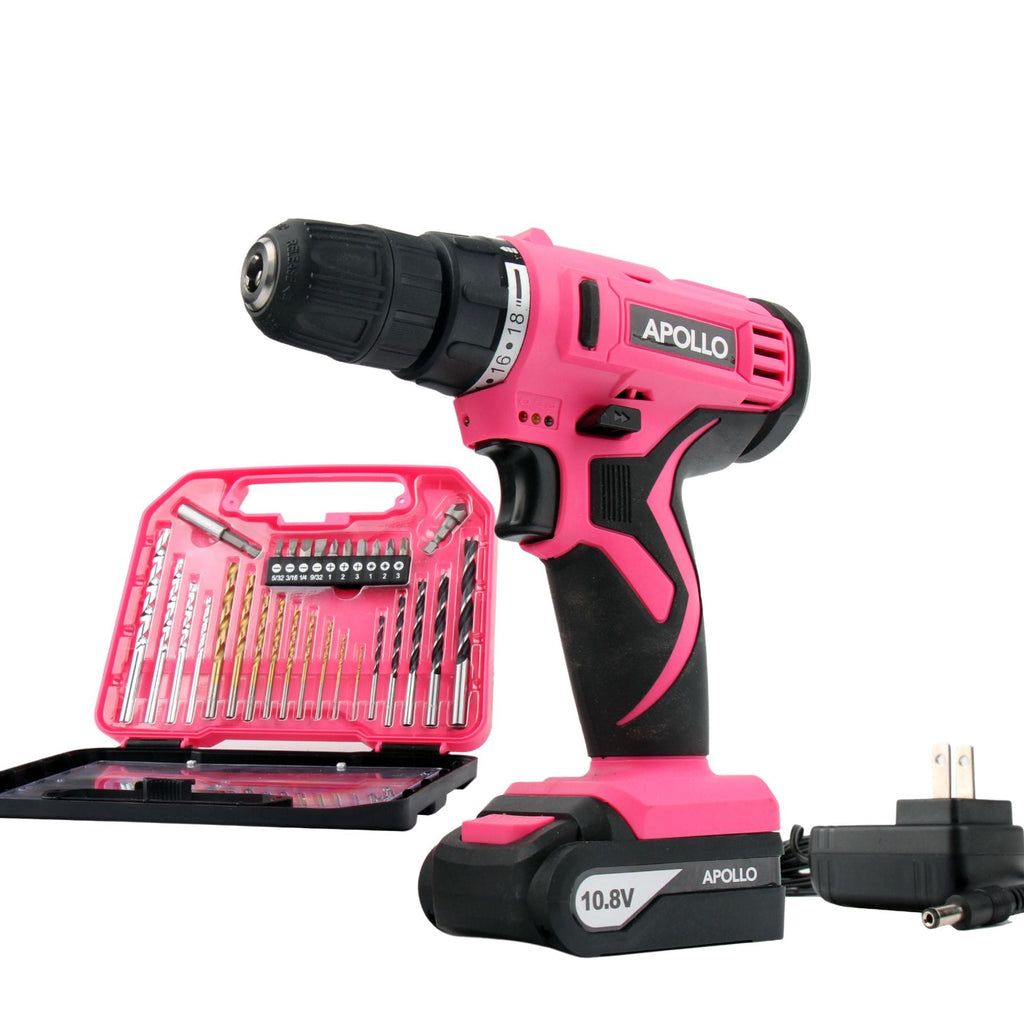
Black & Decker developed battery-powered drills for Apollo — igniting today’s cordless tool revolution.
Perfected for space missions, now common in emergency supplies and outdoor gear.
Apollo helmet visor coatings are used today on glasses, camera lenses, and protective gear.
Apollo wasn’t just a symbolic achievement —
it forced engineers to invent technologies decades ahead of their time.
And those inventions quietly built modern medicine, computing, safety equipment, and daily life.
The Moon missions didn’t just take us to space.
They helped build the world we live in today.


