
Why the Moon keeps so many ancient impact craters
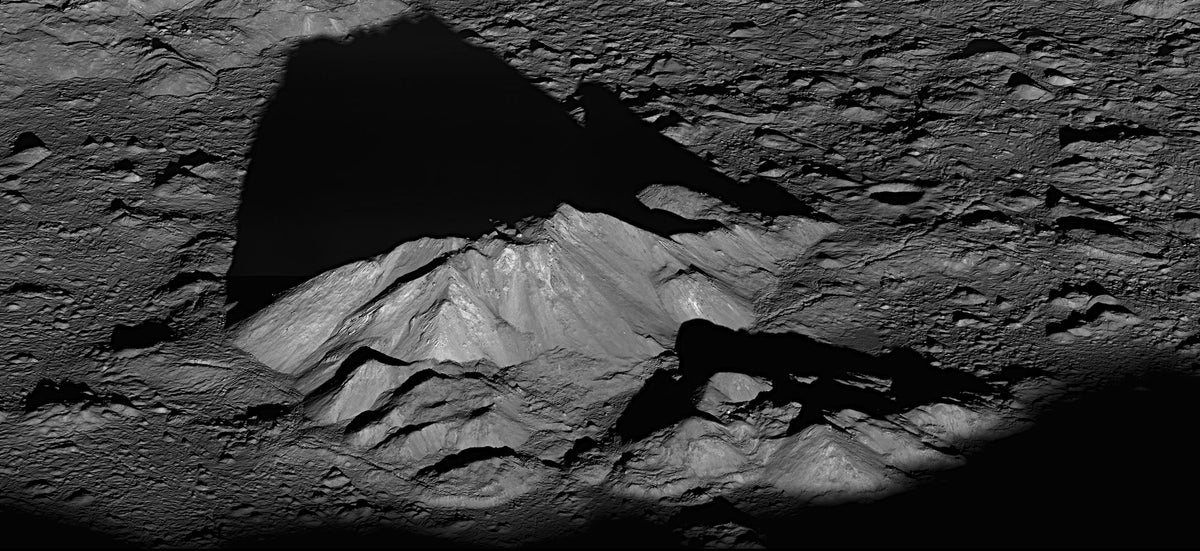
Earth's weather and shifting crust erase or bury many impact scars. The Moon preserves a longer record, although new impacts and moving debris still reshape its surface.
The Moon's crowded craters record a surface that erases impact scars much more slowly than Earth does. The difference comes largely from what happens after a collision: rain, flowing water and a continually changing crust can transform an impact site on our planet.

A scar needs more than an impact to survive
An impact crater forms when a fast-moving asteroid, meteoroid or comet strikes the ground, excavating rock and throwing debris outward. Larger craters can develop terraced walls and central peaks as the disrupted ground rebounds and collapses. The mountains in the Tycho photograph are part of that interior structure. Tycho is estimated to be about 110 million years old, relatively young by lunar standards.
On Earth, erosion and geological activity work on the result. Water and weather wear rock away; moving material can fill depressions. Plate tectonics shifts and recycles parts of the crust, while volcanic deposits can bury older features. A collision may leave evidence in the rocks even when its original crater shape becomes difficult to recognize.
The Moon has fewer ways to erase the record
The lunar surface has no rain or rivers, and no substantial atmosphere driving wind and ordinary weather. It also lacks Earth's system of plate tectonics. These differences let many impact structures remain recognizable over immense spans of time. Some of the Moon's impact history survives for billions of years.
Preservation varies from place to place. Ancient lunar lava flows flooded parts of large basins, covering older terrain and making smoother plains. A landscape with fewer visible craters can therefore have been resurfaced, rather than simply escaping impacts.
Earth still keeps some of its scars
Manicouagan in Quebec shows why the comparison is about preservation, rather than a complete absence of terrestrial craters. Its impact structure remains visible despite heavy erosion and scouring by ice sheets. The ring in the photograph is now occupied by a frozen reservoir surrounding a central island.

The reservoir itself is much younger than the impact. Construction of the Daniel-Johnson Dam joined previously separate lakes as water levels rose. The ancient geology helps explain the outline, but the present continuous ring of water is a human-made addition. A USGS comparison of views from 1964 and 2024 shows how the landscape changed.
Preserved does not mean unchanged
New impacts keep striking the Moon. Small projectiles and debris from nearby collisions churn its surface layer, while material can slip down steep slopes. LRO before-and-after images reported in 2016 directly revealed newly formed craters and many smaller surface changes. That historical study is evidence of continuing change, not a new November 2026 discovery.
Crater counts help scientists compare surface histories: under otherwise similar conditions, an area that has accumulated more craters has generally been exposed longer. Turning that pattern into an age requires assumptions about impact rates and resurfacing. Neither a single photograph nor the number of visible bowls provides a universal clock. The Moon preserves an unusually long record, but impacts also keep editing it.
Join the conversation