
India’s NVS-03 navigation satellite reaches transfer orbit
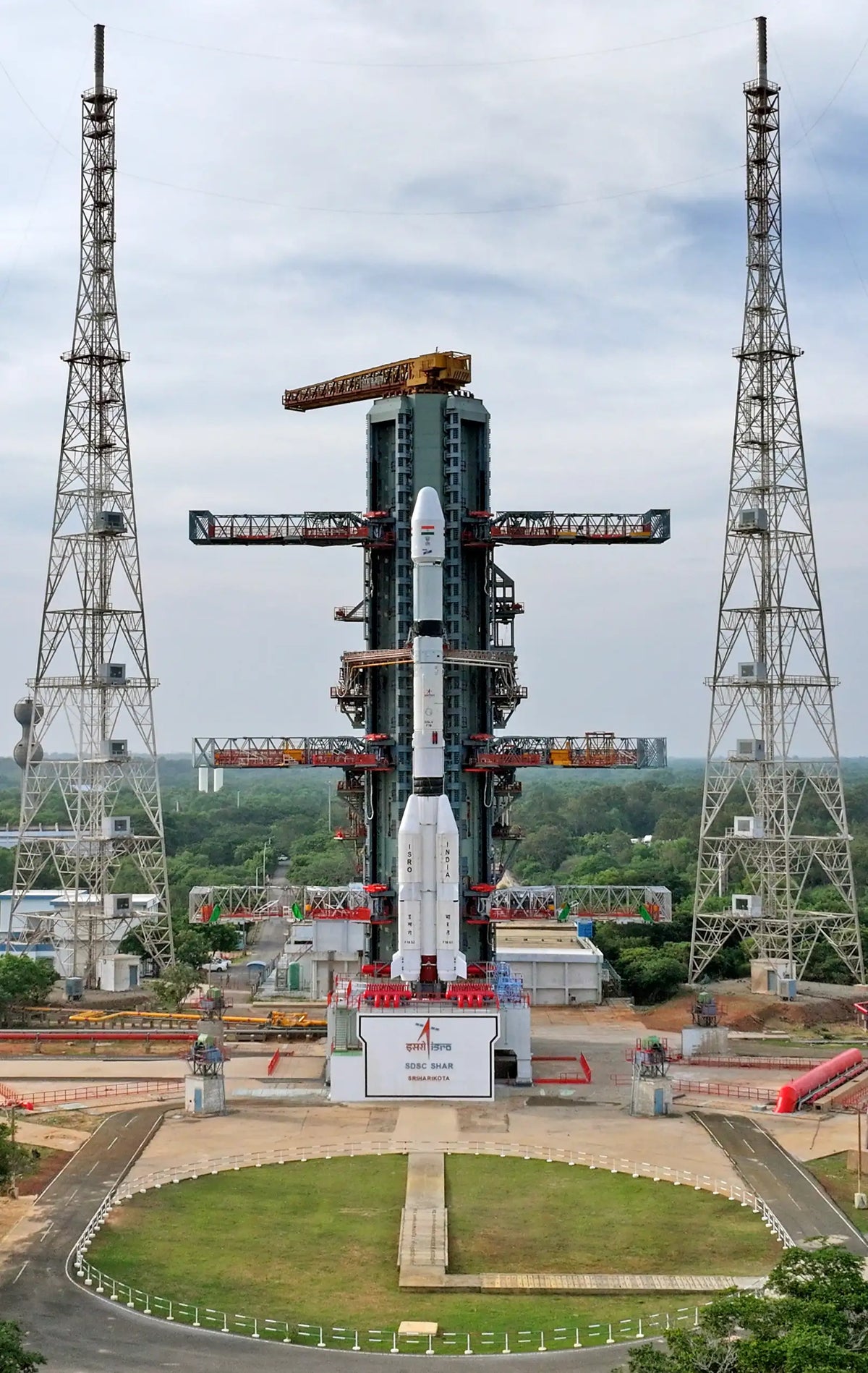
The third satellite in India’s next-generation navigation series carries an Indian-made atomic clock and an additional navigation signal.
India’s GSLV-F18 rocket has delivered the NVS-03 navigation satellite to a geosynchronous transfer orbit, the Indian Space Research Organisation (ISRO) has confirmed. The mission lifted off from the Second Launch Pad at Satish Dhawan Space Centre, SHAR.
NVS-03 is the third satellite in India’s next-generation navigation series, intended to sustain services provided by the Indian Regional Navigation Satellite System, now known as NavIC.
Navigation for India and the surrounding region
NavIC—Navigation with Indian Constellation—is India’s regional system for positioning, navigation and timing. Its primary service area covers India and extends about 1,500 kilometers beyond the country’s boundary.
ISRO’s mission brochure says NVS-03 carries an Indian-made atomic clock alongside other onboard atomic clocks. The satellite also adds an L1 navigation signal to the existing L5 and S-band signals.
ISRO describes L1 as a civilian signal designed to work alongside signals from other satellite navigation systems. The new satellite’s role is to support continuity of the regional service.
What the orbital milestone establishes
A transfer orbit is an intermediate path used to move a spacecraft toward its destination orbit. Reaching it is a launch milestone; further spacecraft maneuvers and checks are separate steps.
The ISRO result update confirms placement in the intended transfer orbit. It gives no date for NVS-03 to enter operational navigation service, so the successful launch should not be treated as confirmation that its signals are already available to users.
Join the conversation