
Mars Rovers Through the Years

Did You Know Every Rover We’ve Sent to Mars Has a Different Job?


For nearly 30 years, Mars has been crawling with robots.
We’ve sent rovers to test wheels, search for ancient water, drill into rocks, cache samples for future return and even scan for buried ice. Each robot was built for a different question.
Here’s a tour of every Mars rover so far – and what we asked it to discover.
1️⃣ Sojourner – The First Test Drive (1997)


-
Mission: Mars Pathfinder / Sojourner
-
Country: United States (NASA)
-
Landed: 1997, Ares Vallis
-
Main purpose: Prove that a tiny wheeled robot could safely drive on Mars and study rocks. Wikipedia+1
Sojourner was only the size of a microwave, but it changed everything.
It tested how wheels behave in Martian soil, checked rock chemistry, and showed that mobile robots can survive dust, cold and tricky terrain. Its success opened the door for every rover that came after.
2️⃣ Spirit & Opportunity – The Twin “Water Hunters” (2004–2010 / 2018)


-
Mission: Mars Exploration Rovers (MER) – Spirit (MER-A) & Opportunity (MER-B)
-
Country: United States (NASA)
-
Landed: January 2004, Gusev Crater & Meridiani Planum
-
Main purpose: Act as robot geologists and look for clear evidence that liquid water once flowed on Mars. NASA Science+1
Planned for just 90 days, they refused to quit:
-
Spirit climbed hills, got stuck in sand and found rocks formed in past water and hot springs.
-
Opportunity drove 45 km across the planet, exploring craters and finding minerals that form in acidic water – a key clue that Mars was once wetter. Wikipedia+1
They turned “Was there water?” into a solid yes.
3️⃣ Curiosity – The Habitability Lab on Wheels (2012–present)


-
Mission: Mars Science Laboratory (MSL) – Curiosity
-
Country: United States (NASA)
-
Landed: 2012, Gale Crater
-
Main purpose: Answer “Could Mars ever have supported life?” by studying climate, chemistry and geology. Wikipedia
Curiosity is basically a nuclear-powered rolling laboratory.
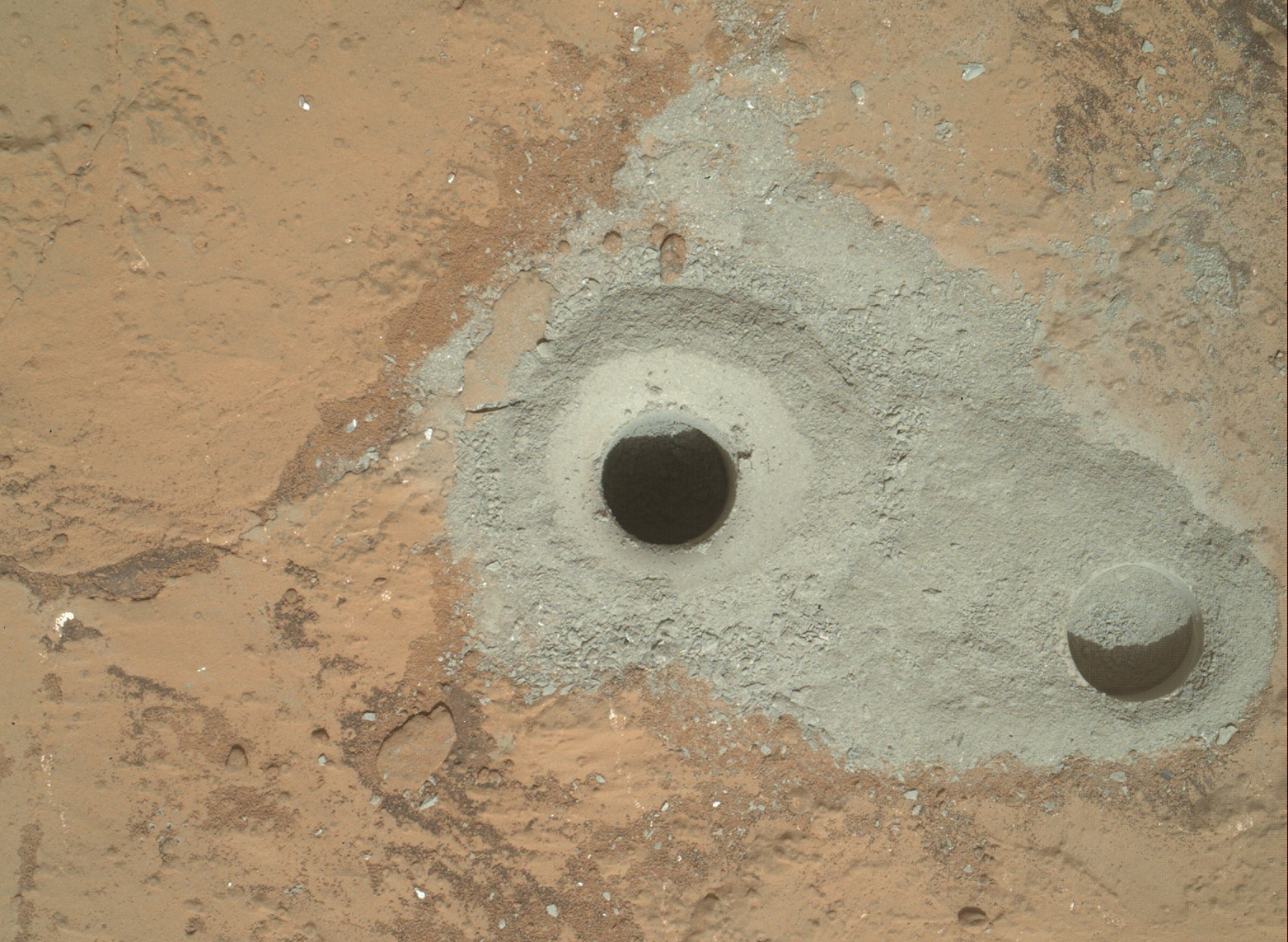
It drills into rocks, bakes samples, and analyzes gases to look for organic molecules and past habitability conditions. In Gale Crater it found:
-
Ancient lake sediments
-
Clay minerals that form in neutral, drinkable water
-
Complex organics trapped in rocks
Curiosity’s verdict: Early Mars could have been friendly to microbes.
4️⃣ Perseverance – The Sample Collector for Future Humans (2021–present)


-
Mission: Mars 2020 – Perseverance
-
Country: United States (NASA)
-
Landed: 2021, Jezero Crater
-
Main purpose: Search for signs of ancient microbial life and collect rock cores for a future sample-return mission. Wikipedia+1
Perseverance landed in what used to be a river delta – one of the best places to trap signs of life. It:
-
Cores rocks and seals them in titanium tubes for a future mission to bring back
-
Uses high-resolution cameras and lasers to map textures and chemistry
-
Records the sounds of Mars, and previously carried the Ingenuity helicopter as a tech demo
If those samples make it to Earth, labs here could finally answer:
“Was Mars ever alive?”
5️⃣ Zhurong – China’s Mars Trailblazer (2021–present, currently hibernating)
-
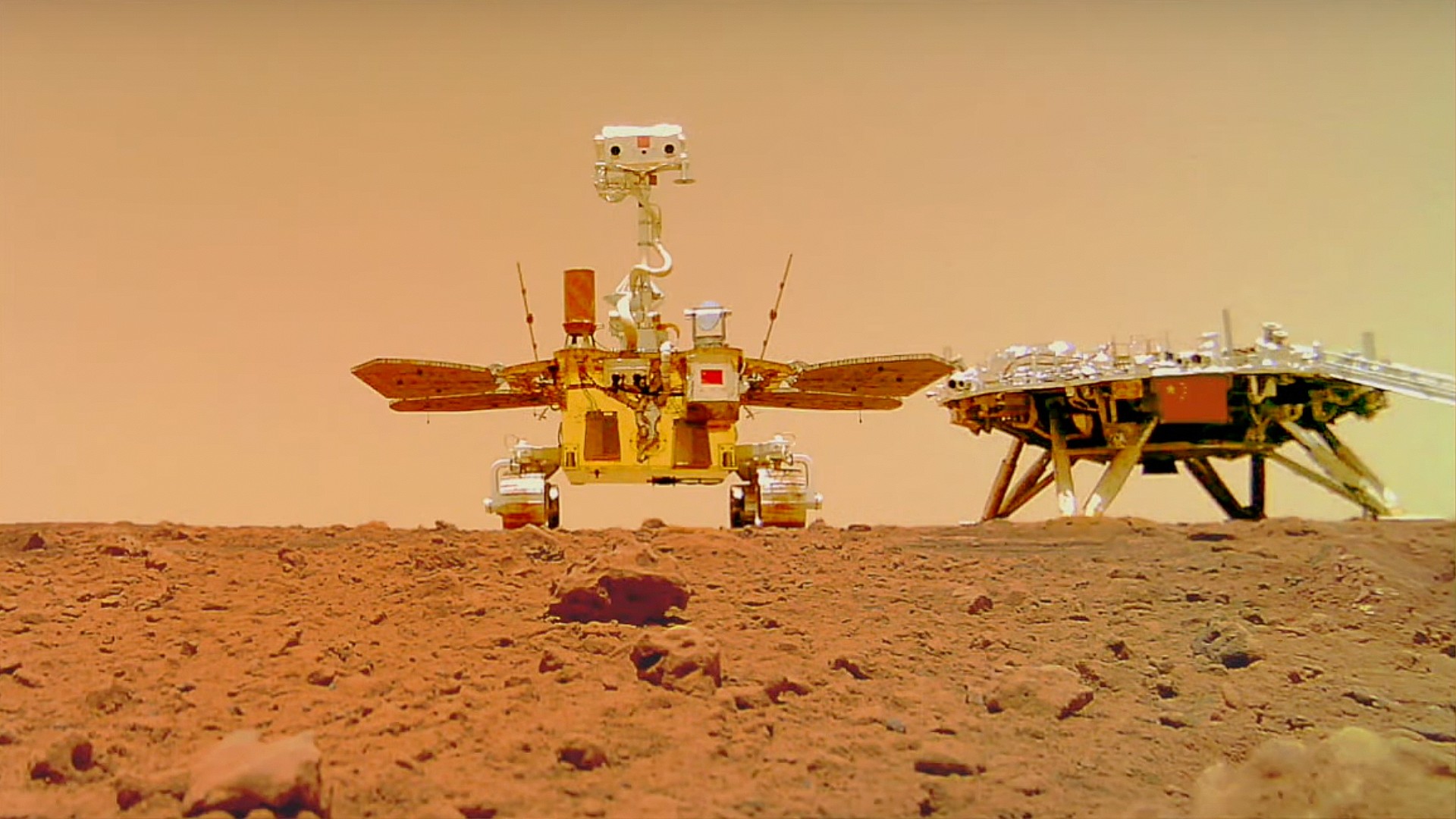
Mission: Tianwen-1 – Zhurong rover
-
Country: China (CNSA)
-
Landed: 2021, Utopia Planitia
-
Main purpose: Map subsurface ice and geology, study the atmosphere, and test technologies for future missions. Wikipedia+2Planetary Society+2
Zhurong made China the second nation to operate a rover on Mars.
Its instruments include:
-
Ground-penetrating radar to look for buried layers and possible ancient shorelines
-
Cameras and meteorology instruments
-
Spectrometers to study rock chemistry
Radar data from Zhurong even hints at ancient “beach” deposits, supporting the idea of a long-lost Martian ocean. Reuters+1
6️⃣ The Forgotten Pioneers – Soviet Prop-M Rovers (1971, failed)

-
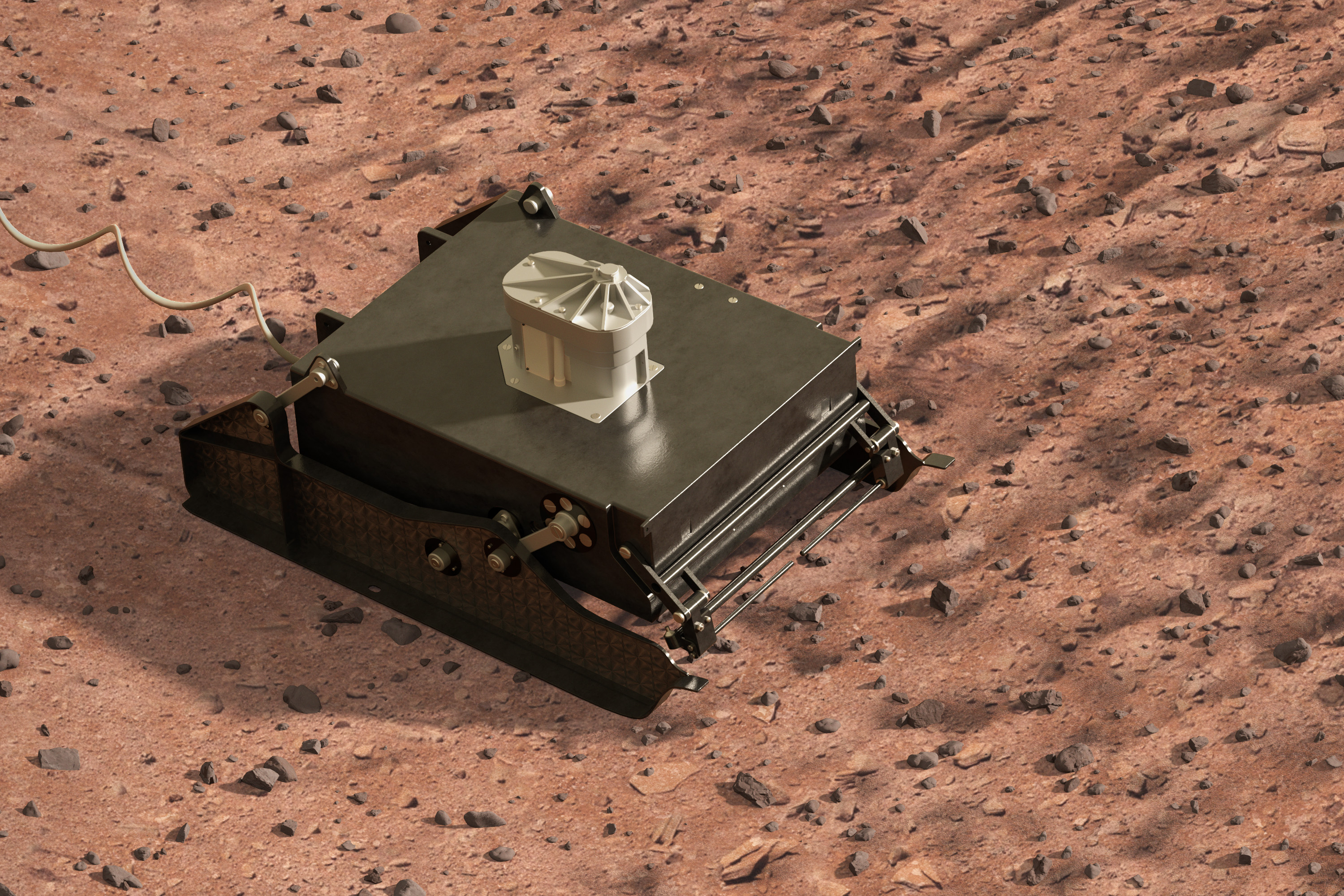
Mission: Mars 2 & Mars 3 – Prop-M rovers
-
Country: Soviet Union
-
Planned: 1971, attached to landers
-
Main purpose: Tiny tethered robots meant to shuffle a few meters and measure soil mechanics. Wikipedia+1
Mars 2 crash-landed.
Mars 3 touched down but died after about 110 seconds in a massive dust storm, taking its little rover with it. No surface data, but they were the first attempt at a Martian rover at all.
7️⃣ What’s Next? Rosalind Franklin & the Sample Return Era


-
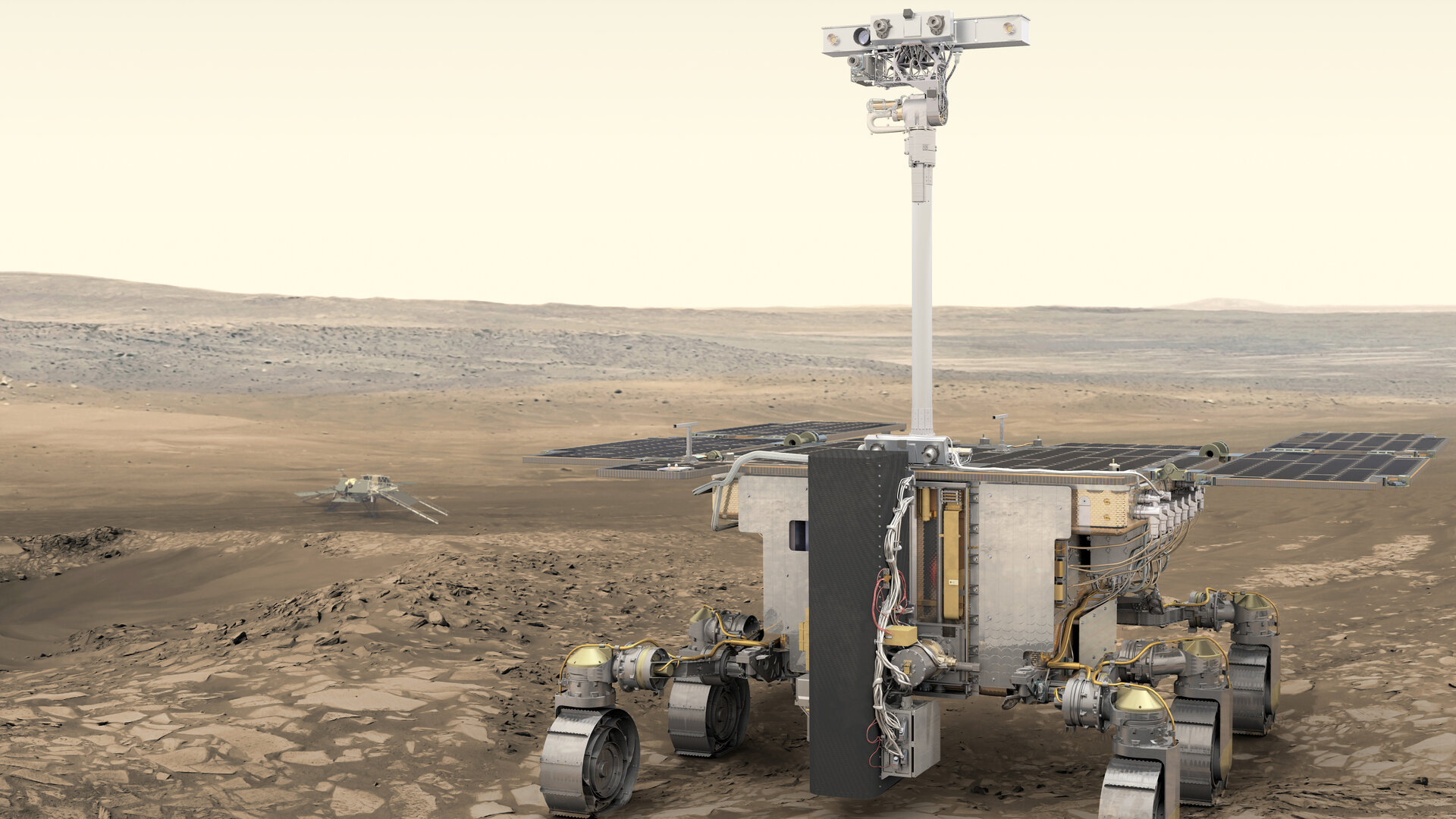
Rosalind Franklin (ESA) – a European rover designed to drill 2 meters down looking for preserved biosignatures, now targeting a launch around 2028 after delays. Wikipedia+1
-
Mars Sample Return (NASA + ESA) – a future mission that would pick up Perseverance’s sealed cores and fly them back to Earth in the 2030s. Grokipedia
If these succeed, Mars exploration will shift from “robots on site” to Martian geology in Earth labs.
🌍 So… What Were All These Rovers Really For?
Put simply:
-
Sojourner – “Can a rover even work here?”
-
Spirit & Opportunity – “Did liquid water really shape this planet?”
-
Curiosity – “Could Mars have supported life?”
-
Perseverance – “Can we find actual biosignatures and bring rocks home?”
-
Zhurong – “What’s hidden under the surface, and was there an ocean?”
-
Prop-M – “Let’s try something with wheels, even if it’s on a leash.”
Mars is the only planet we know that’s inhabited entirely by robots right now. NASA Science
And each rover is a different step in turning a fuzzy red dot into a world we can almost walk through.
Join the conversation