
Mercury’s solar day lasts about two Mercury years
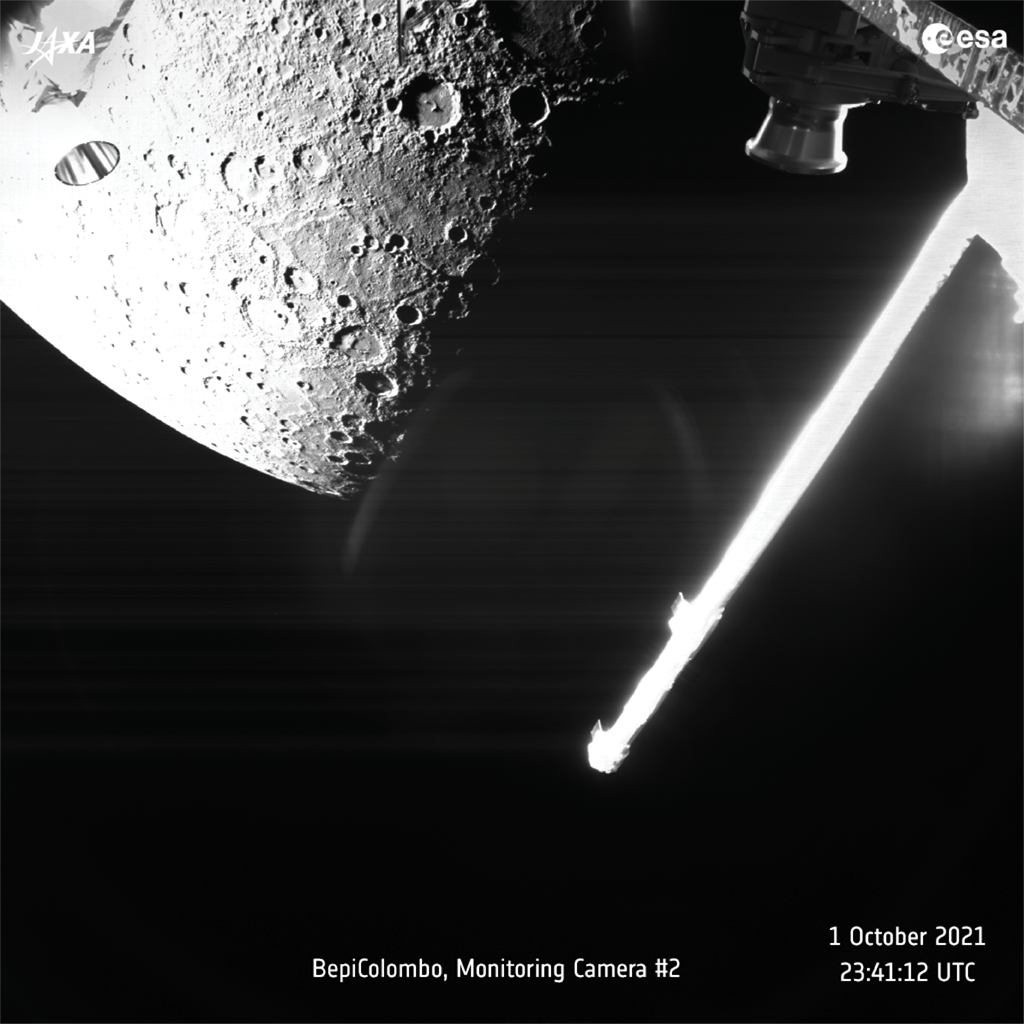
Slow rotation and movement around the Sun combine to stretch one full solar cycle to about 176 Earth days.
Mercury completes a trip around the Sun in about 88 Earth days. Yet its full solar day, including day and night, lasts about 176 Earth days — roughly twice as long. The explanation lies in the difference between a planet’s year, its rotation and the Sun’s cycle in its sky.
Three different clocks
A year measures one orbit around the Sun. A rotation measures one complete turn relative to the distant stars. A solar day follows the Sun’s repeating position as seen from a fixed location on the planet.
| Cycle | Length in Earth days |
|---|---|
| Year: one orbit | 88 |
| Rotation: one spin | 58.6 |
| Solar day: full solar cycle | 176 |
NASA’s Mercury overview gives the 88-day year and 176-day solar cycle, while its StarChild fact table lists the rotation period as 58.6 Earth days. These are rounded values describing different motions.
Three spins for every two orbits
Mercury makes three rotations for every two orbits. During a single rotation, the planet also moves a long way around the Sun, changing the direction from which sunlight arrives. Turning once relative to the stars therefore does not bring the Sun back to the same place in Mercury’s sky.
After two complete orbits, Mercury has turned three times on its axis. The Sun and the surface return to their repeating arrangement, completing one solar cycle. Two years of roughly 88 Earth days give a solar day of about 176 Earth days.
A sunrise can briefly run backwards
The Sun’s apparent motion is not uniform. Mercury moves faster near the Sun in its elliptical orbit. NASA explains that, from some parts of the surface, the morning Sun can appear to rise, set briefly and rise again. A reversed sequence can happen around sunset elsewhere.
The 176-day figure describes the full repeating solar cycle, including darkness as well as daylight. Local sunrise and sunset patterns can be more complicated than the number alone suggests.
Join the conversation