
The Moon’s far side gets sunlight, too
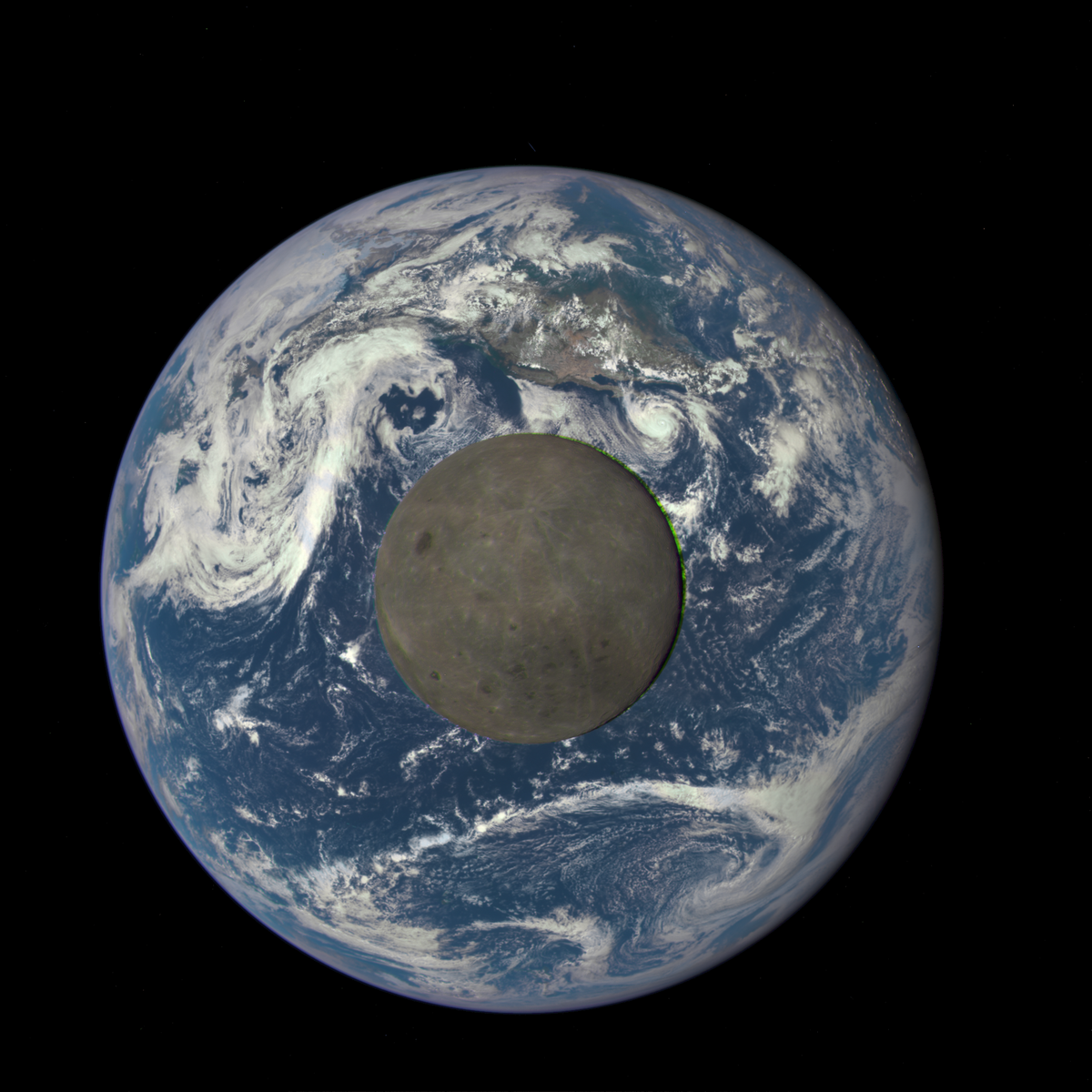
The Moon keeps roughly the same face toward Earth, but its daylight follows the Sun. Rotation and changing illumination explain the difference.
The Moon’s far side receives sunlight just as the side facing Earth does. The familiar phrase “dark side” confuses which hemisphere we can see with which hemisphere is experiencing daytime.

Why the same face points toward Earth
The Moon turns once on its axis in about 27.3 Earth days, matching the time it takes to orbit Earth relative to the stars. This tidal locking keeps roughly the same hemisphere directed toward our planet.
Keeping one face aimed at Earth requires rotation. Follow the gold marker through the diagram: it points down, right, up and left as the Moon travels around Earth. Its direction in space changes through a complete turn, even though an observer on Earth keeps seeing it.

That synchronization developed as Earth’s gravity distorted the Moon and tidal flexing dissipated energy as heat, slowing its rotation. The diagram simplifies the orbit and leaves out sunlight so the turning motion is easier to follow.
Sunlight follows a different cycle
Tidal locking relates the Moon’s spin to Earth, while daylight depends on its orientation toward the Sun. At new moon, sunlight falls mostly on the far side. At full moon, the Earth-facing side is illuminated.

Earth and the Moon also travel around the Sun during each lunar orbit. The Moon must move a little farther before the same lighting arrangement returns. That makes the interval from one new moon to the next about 29.5 Earth days, longer than the 27.3-day orbit.
Ordinary lunar phases describe our changing view of the illuminated half. A lunar eclipse is a separate event in which Earth’s shadow falls on the Moon.
Our view shifts around the edges
“Roughly the same face” is an important qualification. Changes in viewing geometry, called libration, let observers look slightly around the Moon’s edges. Over time, about 59 percent of its surface can be seen from Earth, although only about half is visible at any one moment. That shifting view does not turn the far side into a permanently dark hemisphere.
Some crater floors really do stay in shadow
There are places on the Moon that direct sunlight never reaches. Near the poles, the Sun stays close to the horizon. Terrain can block its rays from deep crater floors, creating permanently shadowed regions.
These cold pockets can preserve water ice and other volatile substances. Their darkness comes from local terrain and low Sun angles, rather than from belonging to the far-side hemisphere.
What the spacecraft picture shows
The archival photograph above provides an actual view of the sunlit far side. On July 16, 2015, DSCOVR’s EPIC camera, about a million miles from Earth, recorded it passing in front of our planet.
EPIC’s color picture combines separate red, green and blue exposures. The Moon moved between those exposures, producing slight colored fringes at its edges. The resulting colored fringes are an imaging artifact.
Sources: NASA’s Moon questions, tidal-locking explanation, archived Goddard libration lesson, polar-shadow explanation and EPIC image report. Expanded explanation checked November 2, 2026, Los Angeles time.
Join the conversation