
/ David Freeman
Moon Race Update: NASA's Artemis Program and China's Lunar Ambitions
Introduction
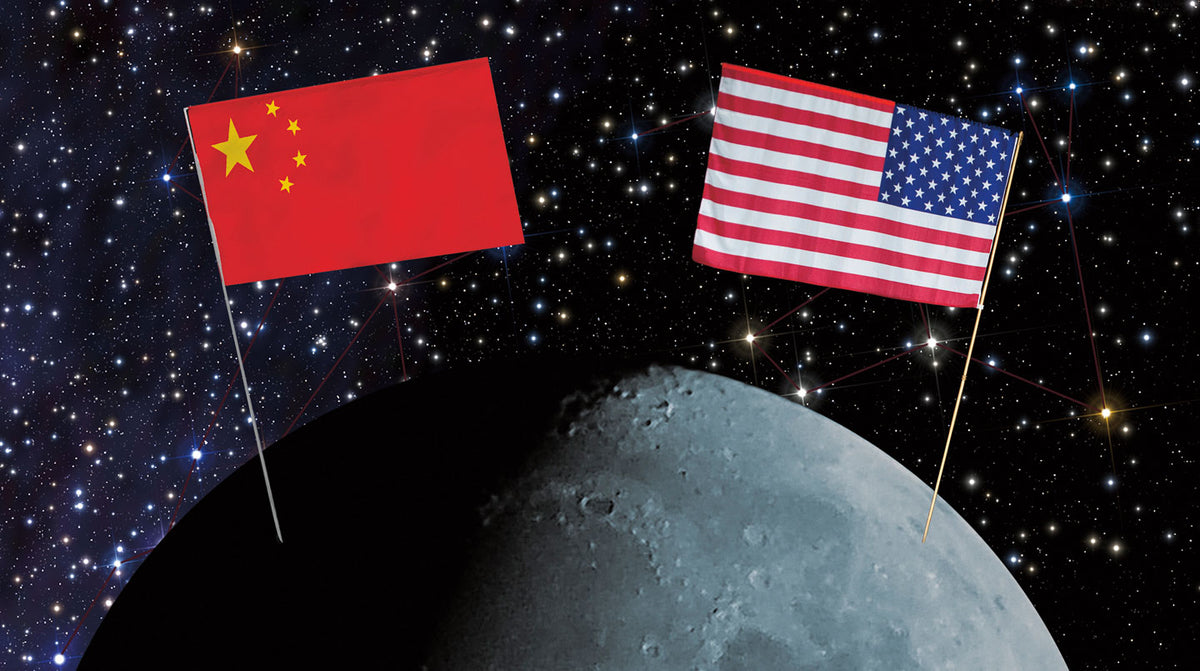
The race to return astronauts to the moon has reignited, with both the United States and China setting ambitious goals for lunar exploration. NASA Administrator Bill Nelson, in a recent media teleconference discussing the Artemis program schedule, addressed concerns about China potentially surpassing the U.S. in this space race. Let's delve into the details of NASA's Artemis program and China's lunar ambitions to understand the current landscape of lunar exploration.
Artemis Program Schedule Adjustments
During the media teleconference on January 9, Nelson announced adjustments to NASA's Artemis program schedule. The Artemis 3 mission, which aims to land a crew on the lunar surface, is now targeted for September 2026. This revised timeline prompted questions about the competition with China, to which Nelson expressed confidence that the U.S. would lead the way in lunar exploration.
Nelson acknowledged the aggressive plan put forth by China but dismissed concerns about losing the moon race. "I do not have a concern that China is going to land before us," he asserted. Despite China continually advancing its announced timeline, Nelson remained steadfast in the belief that the U.S., with its scheduled landing in September 2026, would claim the first landing.
NASA has delayed America's return to the moon by about a year. Now astronauts will have to wait until at least 2026 to land on the moon again. Credit: NASA

China's Lunar Ambitions
China's space agency has outlined ambitious plans to place a crew of astronauts, or "taikonauts," on the moon by 2030. Both the United States and China are eyeing the lunar south pole, known for its potential richness in water ice. To achieve this goal, China's space agency is set to test its new human-rated spacecraft by 2027 or 2028.
A notable aspect of China's lunar strategy involves a two-launch plan, intending to overcome technological challenges associated with developing a powerful enough rocket for both astronauts and a lander probe. This approach underscores China's commitment to advancing its space capabilities, with a potential crewed lunar mission on the horizon.
Additionally, China is planning the Chang'e 6 mission, aiming to launch to the moon's far side in late 2024. This robotic mission will collect lunar samples, and if successful, it will mark the first instance of material being brought back from the lunar far side. China's moon ambitions extend beyond crewed missions, demonstrating a comprehensive approach to lunar exploration.

People have a close look at the lunar sample brought by the Chang’e-5 probe last year at an exhibition in Nanjing. The city hosted events marking the Space Day in China on Saturday.
Collaboration Amidst Competition
While the U.S. and China are engaged in a moon race, it's worth noting that collaboration is not entirely ruled out. In late 2023, NASA approved agency-funded researchers to apply for access to lunar samples returned by China's Chang'e-5 mission. This marks a significant step in international cooperation, allowing U.S. scientists physical access to China's lunar samples.
Conclusion
As the Artemis program undergoes schedule adjustments, and China advances its lunar ambitions, the moon race continues to captivate the world's attention. NASA's commitment to safety and exploration, coupled with China's strategic plans, sets the stage for an exciting era of lunar exploration. While competition persists, the prospect of collaboration opens avenues for shared scientific discoveries and advancements in our understanding of the moon and beyond. The next few years promise to be pivotal in shaping the future of lunar exploration and international cooperation in space.
Join Space Eve Blog in the exploration of the cosmos and share your passion for space! Have a news tip, correction, or comment? We welcome your input! Feel free to reach out to us at support@spaceve.com. Your contributions help us keep the space community informed and connected.
Join the conversation