
NASA’s new secrets from interstellar comet 3I/ATLAS
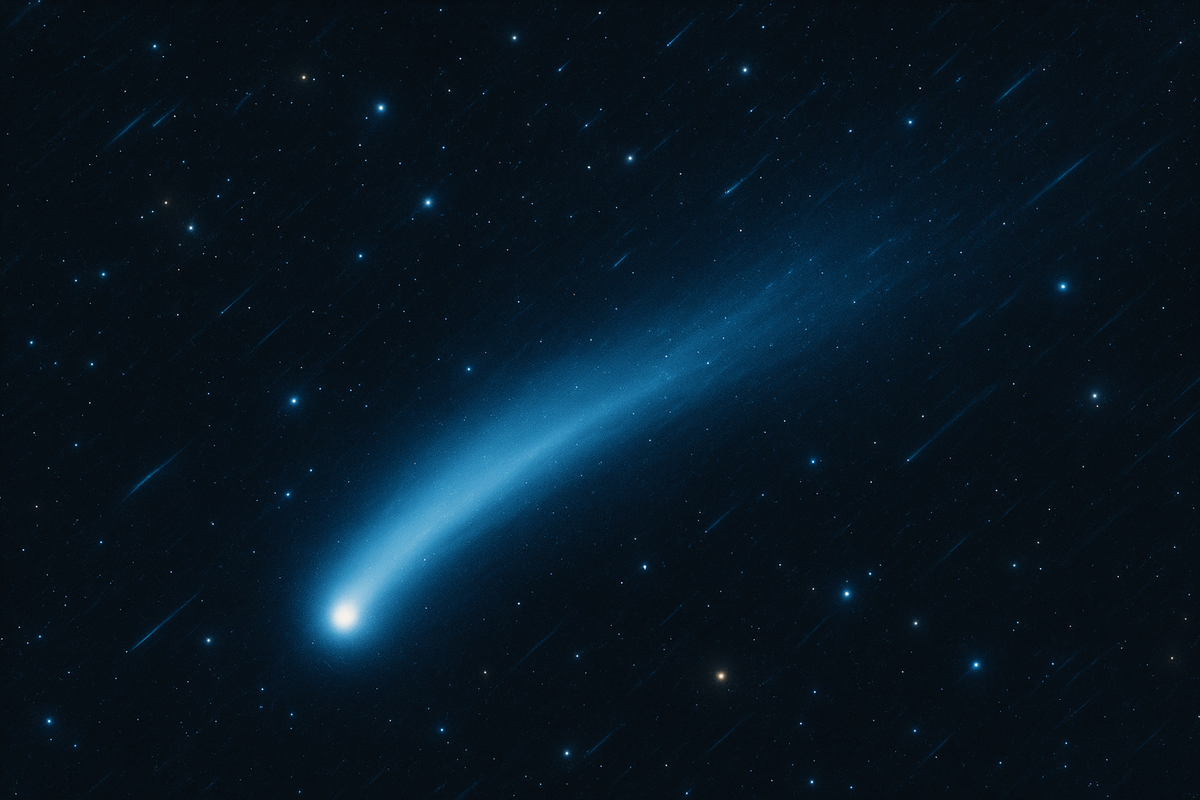
3I/ATLAS Revealed
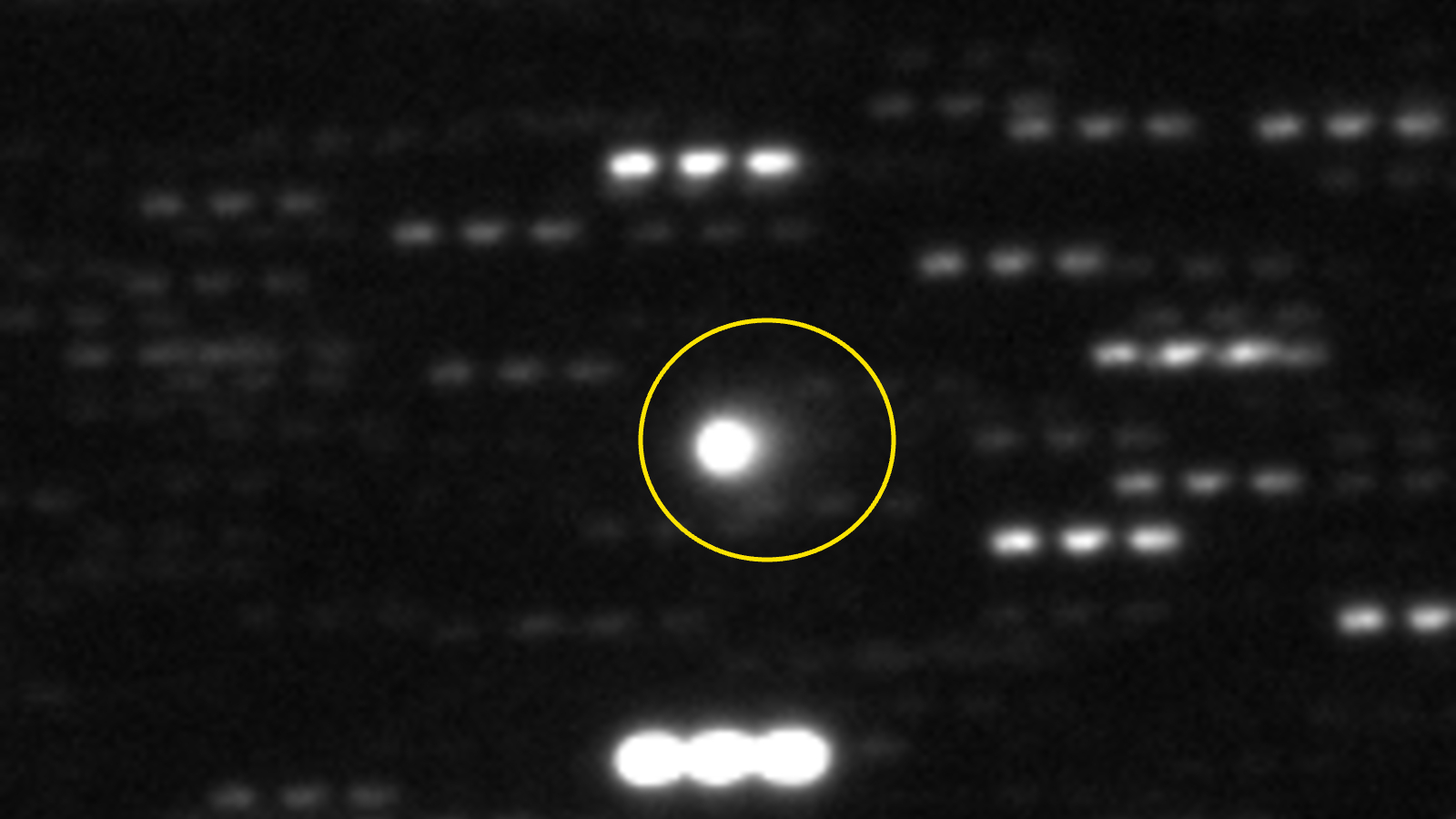
A rare traveler from beyond our solar system — 3I/ATLAS — has just revealed more of its secrets thanks to a coordinated effort by more than 20 spacecraft and ground-based observatories. Space+2NASA Science+2
🔎 What We Now Know About 3I/ATLAS
1) It’s definitively a comet — not alien tech
Despite early speculation, during a recent briefing NASA scientists made it clear that 3I/ATLAS “looks and behaves like a comet,” discarding theories that it might be artificial. Space+1
2) A full solar-system watch — from Earth to Mars and beyond
Because 3I/ATLAS was often hidden from ground view (behind the Sun or in difficult sky regions), NASA pulled together data from a fleet of spacecraft — spanning Earth, Mars orbiters, and deep-space probes — giving astronomers a 360° perspective on the comet’s journey. NASA Science+1
3) It carries chemical clues from another star system
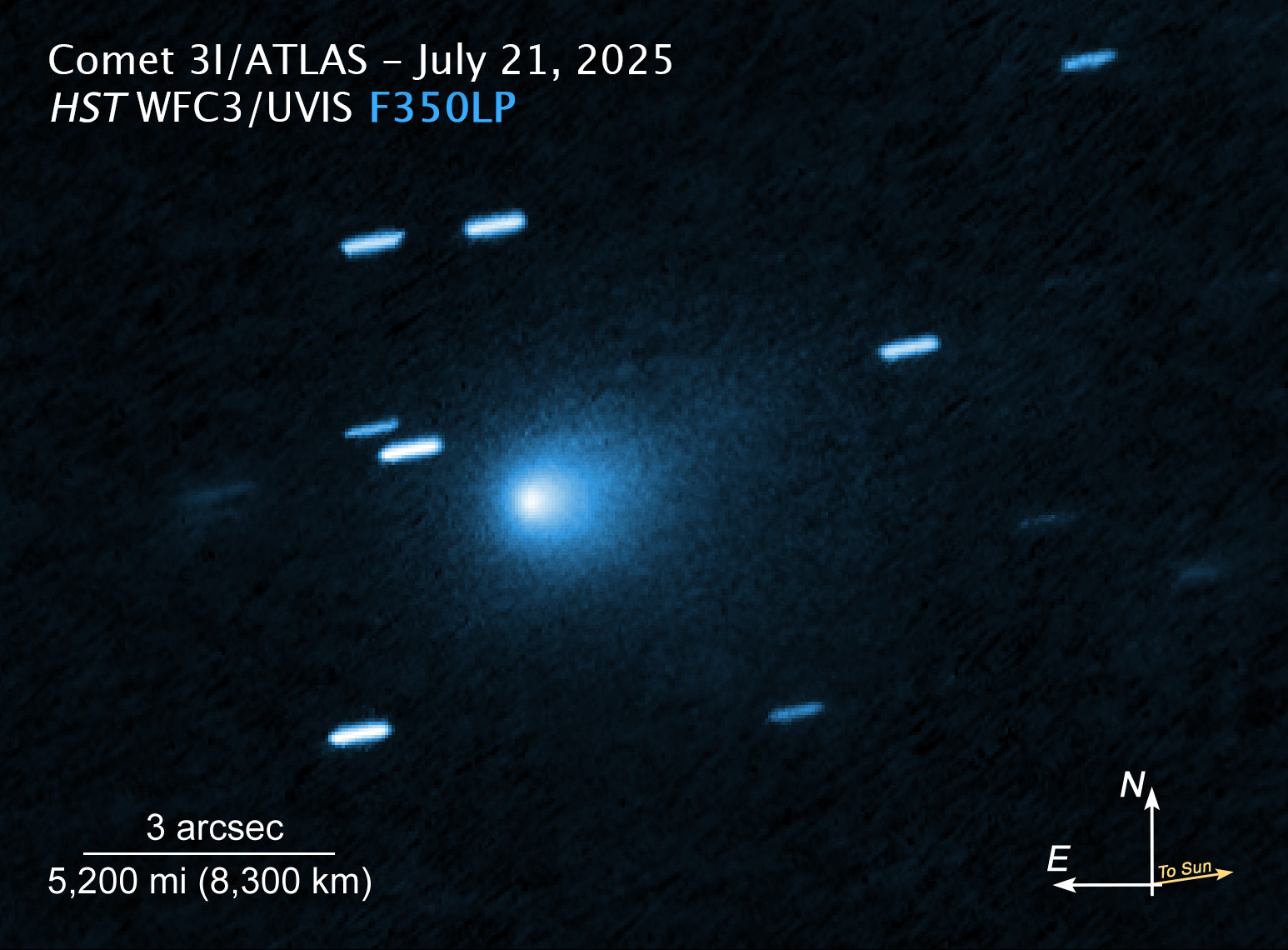
Spectroscopic studies reveal 3I/ATLAS’ coma is rich in volatile ices — including carbon dioxide, water (and derivatives like hydroxyl), and traces of metal-bearing dust. This suggests the comet formed in a distant, potentially metal-rich planetary system very different from ours. arXiv+1
4) It’s likely older than our Solar System — a cosmic time capsule
Based on its trajectory, composition, and activity, 3I/ATLAS may be a primitive relic from a distant stellar birthplace, carrying material that predates the formation of our Sun by billions of years. Studying it gives us a window into alien planetary systems. Live Science+1
🌠 Why This Matters
-
Direct sample of alien material. 3I/ATLAS isn’t just a visitor — it’s a messenger carrying chemical and physical records from another star.
-
Broadens our cosmic perspective. Its metal-rich, volatile-heavy composition challenges assumptions about how comets form and evolve.
-
Guides future missions. The multi-mission observation campaign sets a new standard for how we study rare interstellar guests.
-
Clues to planet formation beyond the Solar System. Learning 3I/ATLAS’ chemistry may help us understand the diversity of exoplanetary systems.
🚀 What’s Next
-
Continued monitoring as 3I/ATLAS leaves the Solar System — to trace its tail and outgassing patterns.
-
More detailed spectral analysis to search for complex organics or unexpected elements.
-
Search for future interstellar visitors — building readiness for quicker detection and observation.
-
Revisiting theories about planetesimal formation in metal-rich, volatile-heavy environments in the galaxy.
Join the conversation