
Dragon returns bioprinted vessel and frozen research samples to Earth
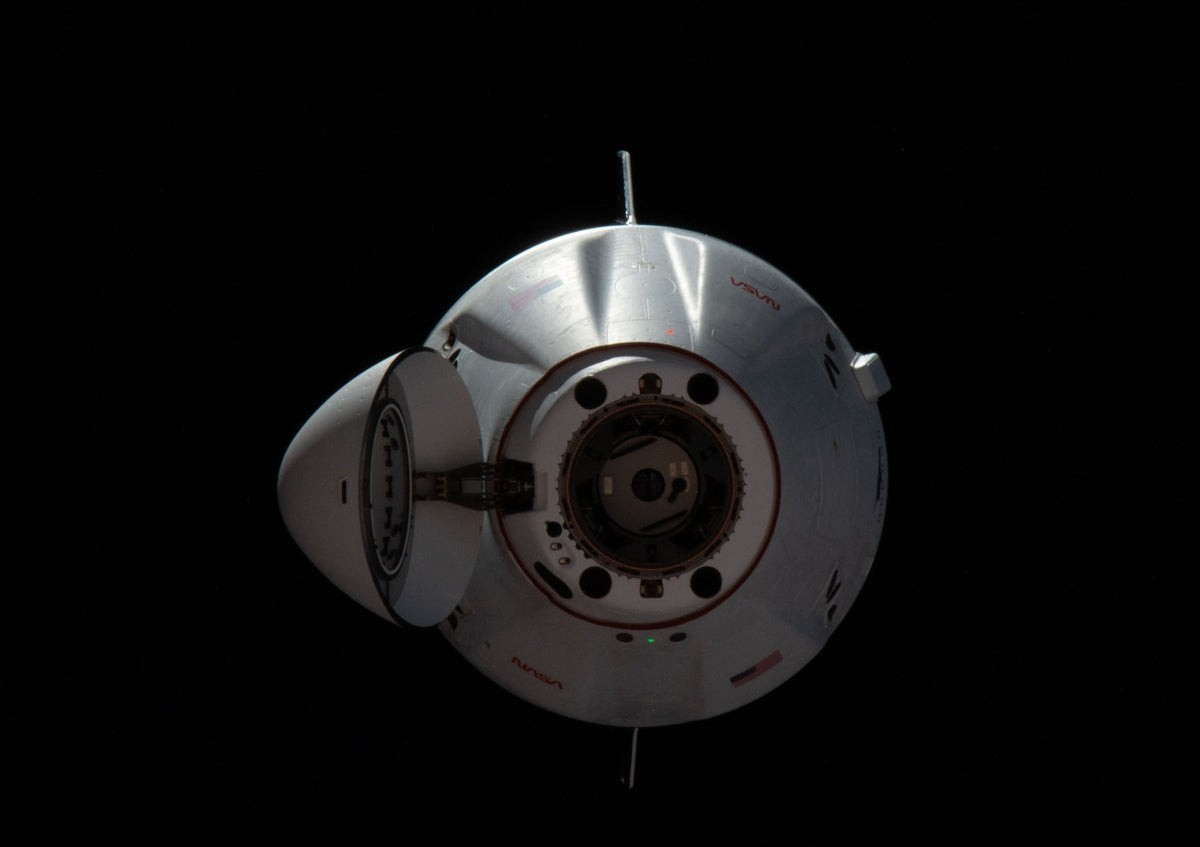
NASA confirms the CRS-35 splashdown with a blood-vessel construct, treated tumor organoids and microbial samples. Their return enables further analysis; scientific and medical results remain to be demonstrated.
A SpaceX Dragon capsule has brought a bioprinted blood-vessel construct, frozen tumor organoids and microbial samples back from the International Space Station, completing a cargo mission that connects experiments in orbit with analysis on Earth.

The unpiloted spacecraft splashed down in the Pacific Ocean near Los Angeles at 2:03 p.m. PST on November 21, 2026 (22:03 UTC), according to NASA’s return confirmation. It was the end of the agency’s 35th SpaceX commercial resupply services mission, known as CRS-35.
The return makes the physical research material available for the next stages of investigation. NASA’s announcement identifies what came home and the questions the experiments address; it does not report a new cancer treatment, a transplant-ready blood vessel or completed findings from the returned samples.
Why print biological material in orbit?

Bioprinting uses cell-containing material, often called bioink, to build biological structures in a planned arrangement. The station’s BioFabrication Facility prints with living cells; after printing, material is conditioned and matured into tissue using associated equipment, as the ISS National Laboratory explains. Printing is one stage of the process, rather than the instant creation of a functioning organ.
The attraction of microgravity is mechanical. Soft, fluid printing material is difficult to stack on Earth because its own weight can deform the structure. Scaffolds or thickening ingredients can provide support, but they also change the conditions in which the cells assemble. NASA’s description of the facility’s development explains why orbit offers a way to work with less viscous bioinks before the printed material is strengthened through conditioning.
For this return, NASA identifies a blood-vessel construct intended for research into vascular aging and cardiovascular disease. An earlier October 20 station update documented astronauts Luke Delaney and Jessica Watkins processing vascular-cell samples with bioink and preserving printed material in a science freezer. That account describes work during the mission; it is not a published assessment of the returned construct’s performance.
What a tumor organoid can tell researchers
Organoids are three-dimensional cell cultures that reproduce some features of the tissue from which they originate. The National Cancer Institute describes tumor organoids as structures whose cells can organize into patterns resembling their source tissue. They offer a way to study cancer biology and treatment responses in a laboratory model.
NASA says frozen tumor organoids treated aboard the station were among Dragon’s returning cargo. Their value lies in the possibility of examining biological material after its time in orbit, alongside the experiment’s recorded conditions. The return notice does not specify the treatment, disclose response measurements or establish that any therapy works better in patients. A model of a tumor captures selected features; it does not reproduce every interaction in a person’s body.
Preserving samples preserves the question
Frozen microbial samples also returned for studies of how antibiotic-resistant bacteria survive, adapt and evolve in space. Understanding that behavior matters for managing the microbial environment of a spacecraft. The announcement sets out the research aim; it does not say the returned bacteria became more resistant or more dangerous.
Temperature control is part of the research chain, rather than a minor shipping detail. NASA’s cold-stowage program description explains that its freezer hardware is used to maintain sample integrity both on the station and during transport. Preserving material helps researchers relate later measurements to the experiment they intended to run. NASA’s CRS-35 return notice does not give the individual samples’ temperatures or a detailed handling schedule.
Not every investigation needs to wait for a spacecraft. NASA’s prelaunch health-research overview described a compact microplate reader for measuring biological markers aboard the station. Onboard measurements and returned specimens provide different routes to evidence; the return announcement does not establish which assays will be performed next on each sample.
A completed flight, with analysis still ahead
The cargo also included a lighting system that had spent more than three years on the station in a study of astronauts’ sleep and well-being. Its return highlights the range of research supported by the same transport route, from cell models to equipment used in the crew’s living environment.
Dragon launched from Florida on October 13, arrived at the station on October 15 and undocked on November 20. The confirmed November 21 splashdown closes that flight. The scientific test now is what researchers can demonstrate from the returned material, with methods, comparisons and limitations that go beyond a successful landing.
Join the conversation